}

Fidget Toys Benefits for ADHD, Focus & Anxiety Relief

The Science Behind Fidget Toys
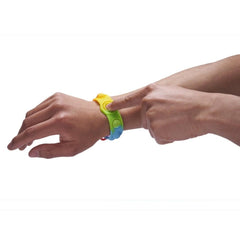
Fidget toys aren't just whimsical gadgets; there's actual science behind their charm. These tactile wonders are part of a wider range of sensory play toys used to support focus, engagement, and self-regulation. By stimulating various senses, fidget toys can help individuals focus, enhance cognitive performance, and manage stress.
Sensory fidget bracelet designed to support focus and reduce restless behaviour

As a parent of Zac, who has Angelman syndrome and significant sensory needs, I've seen how different fidget toys can have very different effects. Some provide calming sensory input during periods of restlessness, while others help maintain engagement and focus during activities. Finding the right sensory tool often comes down to individual preference.

What Does Research Say About Fidget Toys?

Several studies have explored the relationship between movement, attention and learning. Research suggests that some individuals, particularly those with ADHD, may benefit from small amounts of movement while concentrating. Fidget toys can provide controlled sensory input that allows movement without disrupting tasks.

Other studies have found that tactile sensory input may help some people maintain attention during lengthy activities, although results vary between individuals. This is why fidget toys are often used as part of broader sensory support strategies rather than as a one-size-fits-all solution.

Benefits of Fidget Toys for Focus and Concentration
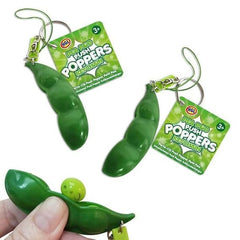
Ever find yourself doodling absent-mindedly during a meeting or lesson? Fidget toys work similarly, channelling fidgeting tendencies into a productive outlet. They promote active listening and improved concentration by providing a subtle and satisfying sensory experience. Many parents use fidget toys for ADHD to help children channel restless energy and improve concentration.
Pea pod fidget toy for sensory stimulation and concentration support

Read our ADHD Sensory Support Guide guide to explore how fidget tools may support concentration and sensory regulation.

Fidget Toys as Stress Relievers

Stress, meet your match! Fidget toys offer a soothing touch, helping to reduce stress and anxiety levels. The rhythmic movements and tactile feedback can create a calming effect, providing a welcomed break during hectic moments. Some children and adults prefer stress balls because they provide deeper pressure feedback and calming sensory input.
Fidget spinner used as a sensory tool for focus and stress relief

Fidget Toys for Anxiety and ADHD

For those navigating anxiety or dealing with ADHD, fidget toys can be a game-changer. The repetitive motion and sensory engagement help redirect nervous energy, providing a non-disruptive coping mechanism and assisting in maintaining focus. 
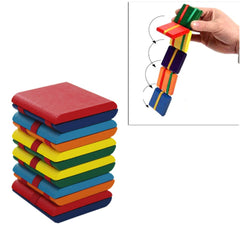
jacob's ladder fidget toy

Shop our full collection of Fidget Toys for classrooms, home and everyday sensory support.

Learn more about managing ADHD with fidget toys.

Different Types of Fidget Toys and Their Benefits
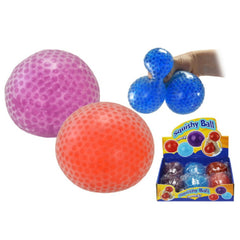
From squishy squeeze balls to textured Monkey Noodles, the fidget toy world is diverse. Explore the array of options, each catering to different preferences and needs. Whether it's a spinner, a cube, or a tactile pad, there's a fidget toy for everyone.
stress ball

How to Choose the Right Fidget Toy for You
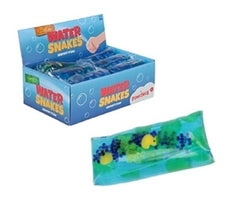
Selecting the perfect fidget sidekick involves a bit of personalisation. Consider your preferences, sensory needs, and the setting where you'll be using it. Choosing the right fidget toy ensures a harmonious match between you and your trusty fidget companion.

slippery snake fidget toy


Incorporating Fidget Toys into Daily Routines
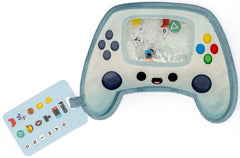
Fidget toys aren't just for specific moments; they can seamlessly become part of your daily routine. Use them during meetings, while studying, or whenever you need a moment of focus. The key is to make them work for you.

bizyboo fidget toy

Fidget Toys in the Workplace and Educational Settings

Bid farewell to the stigma around fidgeting in serious places. Fidget toys have found their way into offices and classrooms, proving to be valuable tools for maintaining productivity and fostering a more inclusive environment. Many schools now include sensory toys as part of classroom support strategies.

Koosh ball sensory fidget toy providing tactile stimulation and sensory feedback

Frequently Asked Questions About Fidget Toys

Do fidget toys really help with focus?

Research suggests that some people find fidget toys helpful for maintaining attention and engagement during tasks. Tactile sensory input can provide a controlled outlet for movement while concentrating.

Why do people fidget?

People often fidget when concentrating, feeling restless, managing stress or seeking sensory input. Fidgeting is a natural behaviour that can help some individuals stay engaged during tasks.

Are fidget toys good for ADHD?

Many children and adults with ADHD use fidget toys as part of their sensory support strategies. Different individuals respond to different types of sensory input, so preferences can vary.

What is the best fidget toy for focus?

The best fidget toy depends on individual sensory preferences. Popular options include fidget cubes, stress balls, textured sensory toys and spinner-style fidgets.

Can fidget toys help with anxiety?

Many people use fidget toys as a calming tool during stressful situations. Repetitive movement and tactile sensory input may help some individuals feel more relaxed and regulated.

Are fidget toys only for children?

No. Fidget toys are widely used by children, teenagers and adults in homes, schools, workplaces and other environments.


Conclusion: Embracing the Benefits of Fidget Toys

In a world that constantly demands our attention, fidget toys emerge as champions of focus, stress relief, and cognitive enhancement. It's time to embrace the fidget revolution and unlock the potential for improved well-being and productivity.
Previous post
Next post

Leave a comment

Please note, comments must be approved before they are published