
Squishing Stress Away: How Stress Balls Support Autism and Additional Needs
Many people turn to stress ball toys and squishy sensory tools as a simple yet effective way to manage anxiety, improve focus, and support emotional regulation.
For individuals with autism and ADHD, stress balls can provide a safe and calming outlet for sensory and emotional needs.
Children with autism and ADHD often experience anxiety, stress, or sensory overload. Stress balls provide repetitive squeezing input (tool), which can help reduce tension and support emotional regulation.

What Is a Stress Ball?
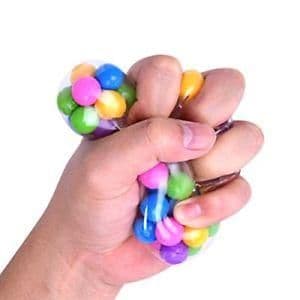
A stress ball is a handheld sensory toy that can be squeezed, stretched or manipulated repeatedly. Although they are often associated with stress relief, stress balls are also widely used as sensory tools for autistic individuals and people with ADHD or other additional needs.
Stress balls come in many different shapes, textures and resistance levels. Some are soft and squishy, while others provide firmer resistance or unique tactile feedback. This variety allows individuals to find a sensory experience that matches their personal preferences and sensory needs.
For many people, the repetitive action of squeezing a stress ball provides comforting sensory input that can help them feel calmer, more focused and more regulated throughout the day.
🧠 A Calming Sensory Tool
Stress balls provide gentle, repetitive sensory input that helps calm the nervous system and reduce feelings of overwhelm. The repeated squeezing motion can be both soothing and regulating, giving the hands a purposeful activity during times of stress, anxiety or sensory overload.
Many autistic individuals seek sensory input to help them feel more regulated. For some, the tactile feedback and resistance provided by a stress ball can offer a simple way to satisfy this sensory need while supporting relaxation and emotional regulation.
🎯 Fidget Focus and Attention Support
They offer a safe way to redirect excess energy and improve focus during tasks, making them especially helpful for ADHD-related needs.
Many children with ADHD find it easier to concentrate when their hands are occupied with a simple sensory activity. Stress balls can provide a discreet way to channel excess energy, helping some individuals stay engaged during lessons, homework, travel or other activities that require sustained attention.
🤫 Silent and Discreet Support
Stress balls can be used quietly in classrooms, workplaces, or social settings, helping individuals self-regulate without drawing attention.
👉Which stress balls are best for autism? (Full guide)

🎨 Sensory Exploration and Engagement
Different textures, shapes, and resistances can provide rich sensory feedback. Some individuals prefer soft squishy balls, while others prefer firmer or textured designs.
💛 Emotional Regulation and Resilience
Stress balls can help individuals learn self-regulation skills by providing a physical outlet for stress and frustration. When emotions begin to build, having a simple sensory tool available can help redirect energy into a safe and constructive activity.
For some autistic individuals and those with ADHD, squeezing a stress ball can become part of a calming routine that supports emotional wellbeing. While stress balls are not a replacement for other supports, they can be a useful addition to a wider toolkit of sensory regulation strategies.
Our Experience Using Stress Balls
As Zac's mum, I've learned that sensory tools are highly individual. What works brilliantly for one child may have little interest for another. Over the years, we've tried many different sensory products and one thing that stands out is how useful simple sensory tools can be.
Stress balls are easy to keep close by at home, in the car or when out and about. Some children enjoy the tactile sensation of squeezing them, while others use them as a way to keep their hands occupied during periods of waiting or downtime.
Rather than viewing stress balls as a solution on their own, they often work best as part of a wider sensory toolkit. Every child has unique sensory preferences, and finding the right combination of sensory supports can make a real difference to comfort, engagement and emotional regulation.
Frequently Asked Questions About Stress Balls
Are stress balls good for autism?
Many autistic individuals enjoy stress balls because they provide calming tactile sensory input and a simple way to engage the hands during periods of stress, anxiety or sensory overload.
Can stress balls help with ADHD?
Some people with ADHD find that stress balls help them channel excess energy and maintain focus during activities that require concentration.
What type of stress ball is best?
The best stress ball depends on individual preferences. Some people prefer soft squishy stress balls, while others enjoy firmer textures, mesh balls or sensory-filled designs.
Why do autistic people like stress balls?
Many autistic people enjoy stress balls because they provide tactile sensory input, encourage repetitive movement and offer a simple way to support self-regulation during periods of stress, anxiety or sensory overload.
WHAT TO EXPLORE NEXT
If you're looking for calming sensory tools, explore:
👉 Best Stress Balls for Autism
👉 Stress Balls Collection for autism and ADHD support
👉 Sensory Toys Hub for wider sensory support products
👉 Autism Support Guide for sensory strategies and advice