}

5 Best Light Up Toys for Autism and Additional Needs

Let's talk about the amazing world of sensory toys and how they're helping kids grow and have a blast at the same time. You might have heard about all sorts of toys, but today we're shining a light on the super cool light-up sensory toys.

Many families use light up toys as part of a wider collection of sensory toys to support sensory exploration, relaxation and engagement.

If you're supporting an autistic child, our Autism Support Guide explains how sensory toys can support sensory regulation, focus and calming routines.

Light Up toys are like the rock stars of the sensory world because they're not just fun – they're also super calming. They're all about giving your senses a wild ride while making you feel all cosy inside. So, get ready as we dive into the top 5 light-up sensory toys of 2023.

Top 5 Light Up Toys!

Here we check out what makes light up toys awesome, how they can help, and why you should definitely have them in your home. As a parent of a child with complex sensory needs, I've found that light up toys are often some of the most engaging sensory tools available. Many children are naturally drawn to colours, movement and visual effects, making light up toys a popular choice for sensory play, calming routines and sensory rooms.

1. LED Sensory Play Mat

Imagine a play mat that comes alive with a mesmerising glow when the lights go out. LED Sensory play mats offer an immersive experience that stimulates visual and tactile senses. These mats, often adorned with intricate patterns or educational motifs, capture a child's imagination while providing a safe and comfortable space to play. As they trace their fingers along the glowing designs, children develop fine motor skills and spatial awareness. The dim glow sets a tranquil environment, making it an ideal tool to wind down before bedtime. They are also great to put in dark dens or sensory rooms as they are comfortable to sit on whilst also giving visual stimulation.
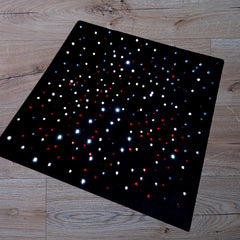
LED sensory play mat providing calming visual stimulation for autism and additional needs


2. Light Projector

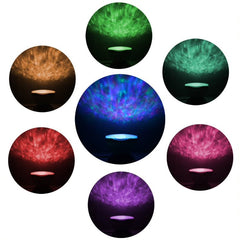
Projecting a universe of stars and colours onto the ceiling, interactive light projectors create a magical ambiance in any room. These devices often come with customizable settings, allowing parents and children to select their preferred colour palette, projection speed, and even add soothing sound effects. The visual spectacle engages the visual and auditory senses, making it an exceptional aid for relaxation and sensory exploration. Whether it's transforming a bedroom into a celestial oasis or turning playtime into an adventure, interactive light projectors have a wide range of uses.

sensory light projector creating colourful visual effects for relaxation and sensory exploration


3. Light-Up Bubble Tube

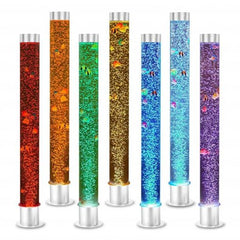
A fascinating convergence of visual and tactile stimulation, the light-up bubble tube stands as an emblem of sensory wonder. The constant stream of bubbles rising through the tube, accompanied by shifting LED lights, captivates attention and promotes visual tracking skills. Children can interact with the tube, observing the bubbles and lights respond to their touch. This dynamic interaction nurtures cause-and-effect understanding while providing a soothing effect that can help regulate emotions. Whether used for calming or play, the light-up bubble tube offers a multi-sensory experience that engages and relaxes.

sensory bubble tube with colour-changing lights for visual tracking and sensory regulation

Many families also use sensory lighting to create calming sensory environments. Learn more in our guide to sensory lights for autism.

4. Light Up Wand
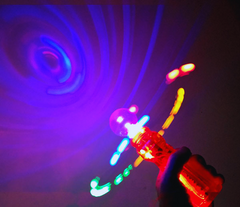

Picture this: you've got this awesome light-up spinning wand in your hands. And let me tell you, the first thing that'll totally captivate you is its mind-blowing visual display. Imagine a mix of colours and patterns that just pop out and grab your attention like a magnet. It's like you're in a trance, totally fascinated by those swirling lights that keep changing right before your eyes. And guess what? This isn't just about being mesmerised – it's actually super cool for helping you focus better and get really good at tracking things with your eyes. So for anyone that's learning to coordinate their moves, this wand's like a secret training tool for your hand-eye skills!
spinning light up wand sensory toy promoting visual tracking and hand-eye coordination


5. Fibre Optic Lamp

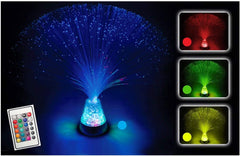
The gentle, changing colours and the slow movement of the fibres on a fibre optic lamp can be seriously calming. It's like they're putting on a soothing light show just for you. Perfect for winding down after a long day or setting a chill mood in your space. Running your fingers through the fibers is like a tactile adventure. It's soft and kinda magical – just like brushing your hand through a field of soft grass. The tactile experience adds an extra layer of fun and engagement.

fibre optic lamp providing calming visual sensory input for autism and sensory rooms

Want to learn more? Read our guide to fibre optic lamp benefits for autism and additional needs.


Frequently Asked Questions About Light Up Toys

Why are light up toys good for children with autism?

Many autistic children enjoy light up toys because they provide visual sensory input through colours, movement and light patterns that can be calming and engaging.

What are the benefits of light up sensory toys?

Light up sensory toys can encourage visual tracking, sensory exploration, relaxation and engagement while providing enjoyable sensory experiences.

Are light up toys good for sensory rooms?

Many light up toys work well in sensory rooms because they provide calming visual stimulation and can help create a relaxing sensory environment.

What are the best light up toys for additional needs?

Popular options include fibre optic lamps, light projectors, bubble tubes, sensory wands and LED sensory play mats.

Can light up toys help with relaxation?

Many children and adults find the gentle colours and visual movement of light up toys relaxing, particularly during quiet time or before bed.

For more ideas on creating supportive spaces at home, read our guide to creating a sensory-friendly home.
Previous post
Next post

Leave a comment

Please note, comments must be approved before they are published