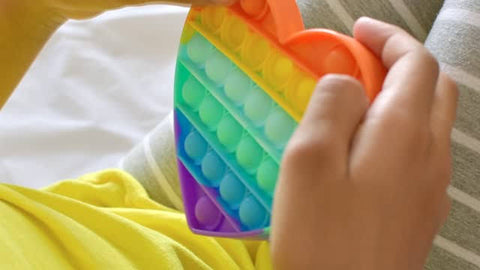
Pop It fidget toys have become one of the most popular sensory tools for children with autism, ADHD, and additional sensory needs.
Their simple design — rows of soft, pressable bubbles — provides a repetitive tactile experience that many children find calming, engaging, and regulating.
These toys are often used alongside other fidget toys for autism and ADHD support, helping children manage sensory input in a safe and controlled way.
Sensory toys are tools designed to support children with autism and ADHD by providing structured sensory input that helps with emotional regulation, focus, and calming overstimulation. They are commonly used in home, school, and therapeutic environments.
What Is a Pop It Fidget Toy?
A Pop It is a sensory fidget toy made up of rows of flexible bubbles that can be pressed in and out repeatedly. The toy produces a gentle popping sensation and sound, creating a satisfying sensory experience that many children enjoy.
Originally inspired by reusable bubble wrap, Pop It toys quickly became popular because they combine tactile, visual and auditory sensory input in a simple and portable format. They are now widely used by children with autism, ADHD and additional sensory needs as part of sensory play and self-regulation activities.
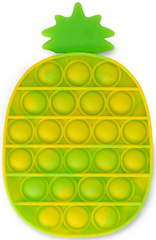
Why are Pop It Fidget Toys so popular?
Pop Its work because they combine:
- tactile stimulation (touch)
- auditory feedback (soft popping sound)
- visual engagement (colour and pattern)
This combination makes them especially useful for children who seek structured sensory input or struggle with sensory overload.
How sensory toys support calm and focus in children with ADHD and autism
Sensory Regulation and Emotional Support
Many children with autism use Pop It toys as a way to self-regulate during moments of stress or overstimulation.
The repetitive motion can help create a sense of predictability, which is often calming.
Many children seek predictable sensory experiences when they are feeling overwhelmed or anxious. Pop It toys provide consistent tactile feedback that can help some children feel more settled and in control during challenging situations.
They are commonly used in classrooms, therapy settings, and home environments.
Focus and Attention Support
For children with ADHD, Pop It toys can act as a safe focus tool.
By occupying the hands, they can help redirect restless energy and support concentration during tasks like reading, homework, or structured learning.
You can learn more about attention and regulation strategies in our ADHD Support Guide, which explores practical ways to support focus and sensory needs in everyday life.
Fine Motor Skills Development
The pressing motion required to use Pop It toys can support:
- finger strength
- hand coordination
- fine motor development
This makes them useful not just as calming tools, but also as developmental aids.

Social and Shared Play Benefits
Pop It toys can also be used socially, encouraging shared play between children.
This can support:
- communication
- turn-taking
- cooperative play
Safe Outlet for Stimming
For many autistic children, Pop It toys provide a safe and acceptable way to stim. Stimming behaviours can help individuals regulate sensory input, manage emotions and cope with overwhelming environments.
The repetitive pressing motion offered by Pop It toys provides predictable sensory feedback that some children find calming and reassuring. Because the activity is simple, portable and easy to repeat, Pop It toys are often used at home, in school and while travelling.
Children with ADHD and autism may struggle with restlessness, sensory overload or difficulty maintaining focus. Pop It fidget toys provide repetitive tactile stimulation, which can help support concentration, calmness and self-regulation.
Our Experience Using Pop It Toys
As Zac's mum, I've learned that sensory tools can be incredibly individual. Some children are drawn to visual sensory toys, while others prefer tactile sensory experiences they can actively interact with.
One of the reasons Pop It toys became so popular is that they offer immediate sensory feedback. The combination of pressing, popping and repeating the action can be engaging without being overly complicated. Many children enjoy the predictable nature of the toy and the sense of control it provides.
Like all sensory tools, Pop It toys are not a one-size-fits-all solution. Some children will use them regularly, while others may prefer different sensory experiences. The key is finding tools that match your child's unique sensory preferences and support needs.
Frequently Asked Questions About Pop It Toys
Are Pop It toys good for autism?
Many autistic children enjoy Pop It toys because they provide repetitive tactile sensory input that can feel calming, engaging and predictable.
Can Pop It toys help with ADHD?
Some children with ADHD find that Pop It toys help occupy their hands and redirect restless energy, making it easier to focus on tasks.
Why are Pop It toys so calming?
The repetitive pressing action, combined with tactile and auditory feedback, can provide sensory input that many children find soothing and regulating.
Are Pop It toys educational?
Pop It toys can be used to support counting, pattern recognition, turn-taking and fine motor development, making them useful for both play and learning activities.
EXPLORE MORE
If you're looking for more sensory support tools:
👉 Fidget Toys Collection
👉 Sensory Toys Hub